
Academic research into the effects of flame retardants on children
Please find below links to the most recent research into the effect of flame retardants on children's health.
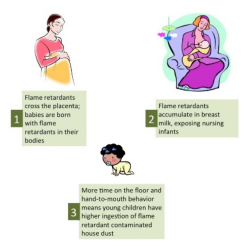

Should I be concerned about fire retardants in my child’s mattress? Yes. Children are vulnerable to the toxic effects of these chemicals because their brain and other organs are still developing. Researchers have found that children have higher concentrations of flame retardants in their bodies than adults.
Science Daily have just published a new article about the use of “new” flame retardants. The old chemicals (PBDEs) have been swapped out with organophosphate flame retardants in many products, but they have proven to be just as dangerous. “It’s disheartening that after years of health harm to our children from PBDE flame retardants, the most widely used replacements appear to be just as bad,” said Dr. Arlene Blum, Executive Director of the Green Science Policy Institute. “To protect future generations, manufacturers can and must stop the cycle of toxic... Read More
In our modern-day life, we are surrounded by many forms of electromagnetic fields. These can be generated by electric cables, mobile phones and many electrical devices. The various electromagnetic fields set up by many of these devices has been labelled as Electromagnetic Smog.
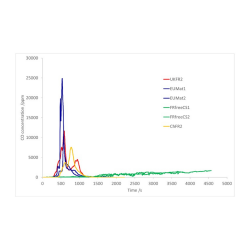
Flame retardants in UK furniture increase smoke toxicity more than they reduce fire growth rate This recently published scientific research by the University of Central Lancaster and Manchester fire brigade reports that:
There's no fire without smoke. And smoke is deadly. The Fire Service know that the amount of Hydrogen Cyanide that is released in smoke causes death. 180 parts per million causes death in 10 minutes and at 270 parts per million death is immediate[1].